
Denver Craft Beer Meets Denver Home Styles | October: Lagers & Classic Comfort Homes10.19.2026
Denver Craft Beer Meets Denver Home Styles | October: Lagers & Classic Comfort [...]
Written by Brian Trampler, Broker Associate and REALTOR® with Corcoran Perry & Co., Denver, CO.
Steady wins, brick by brick.
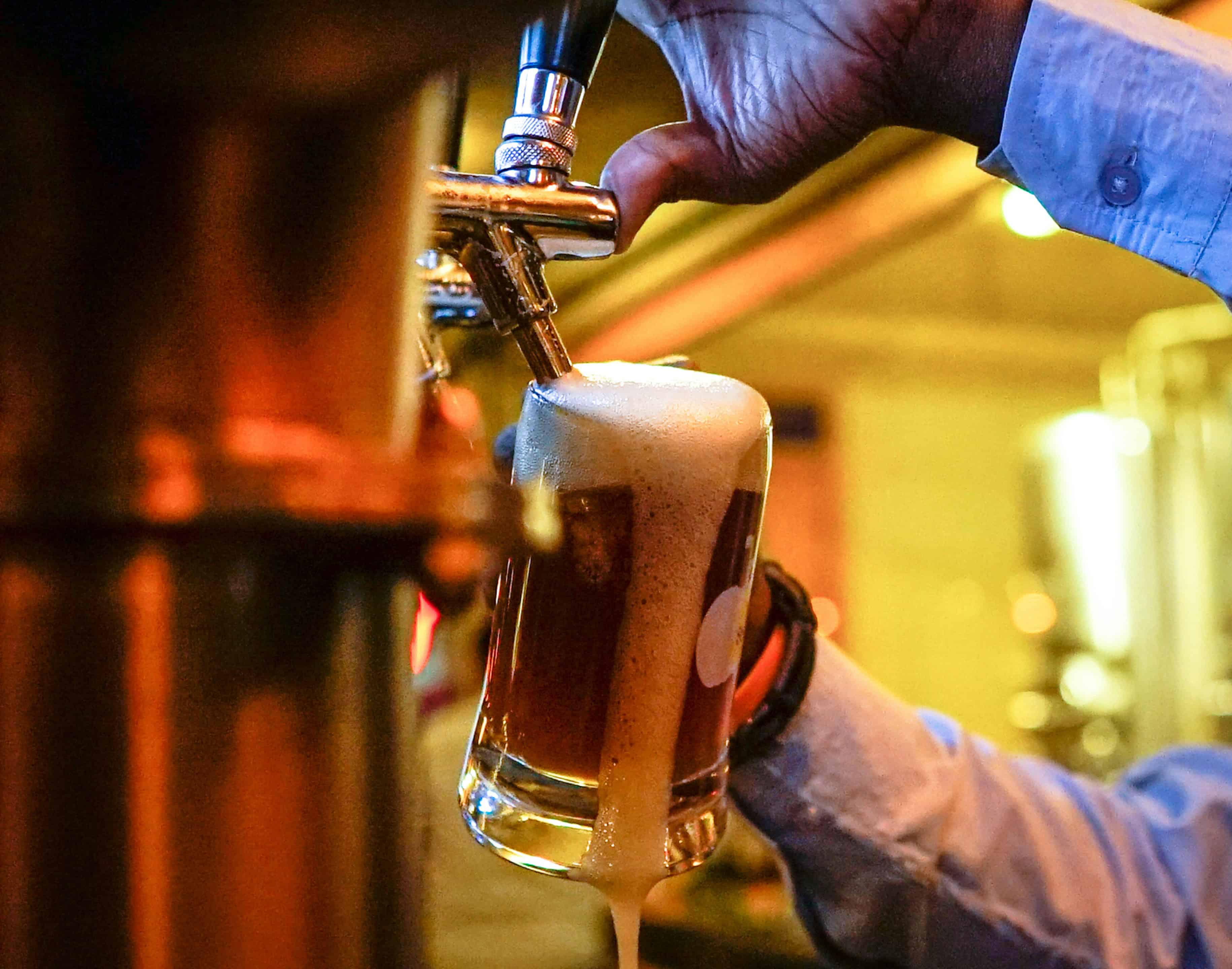
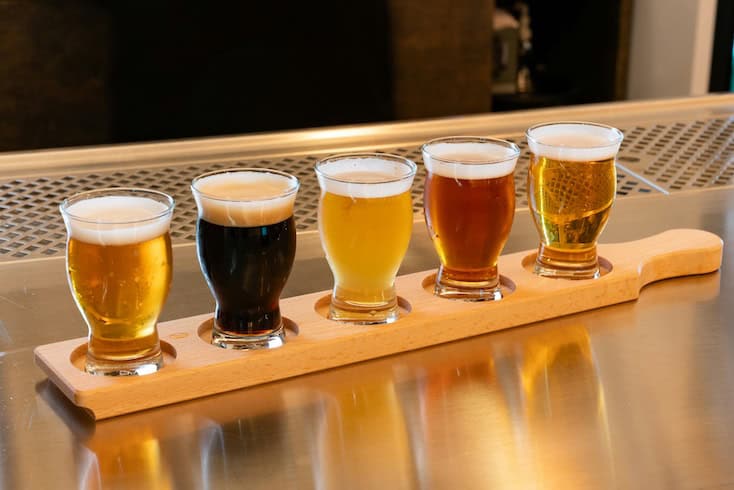
Photo by Poojitha Prasad on Unsplash
Colorado has more breweries per capita than almost anywhere in the country, and Denver's housing stock is just as varied. This is Denver Craft Beer Meets Denver Homes, a monthly series that pairs a beer style with the Denver home style that shares its personality. It's not a serious methodology. It's a fun way to look at Denver's neighborhoods, and a reminder that whatever you're drinking, the house still needs a good inspection.
If you searched Denver Foursquare homes, Denver Square, brick homes Denver or amber ale, welcome. Foursquares are one of the best known older home styles in the city, and worth understanding if you're shopping in an established neighborhood.
November in Denver means shorter days, colder mornings, and a lot more time spent indoors than a month ago. It's a good season for a beer that doesn't ask much of you and a house that has been doing the same thing well for about a century.
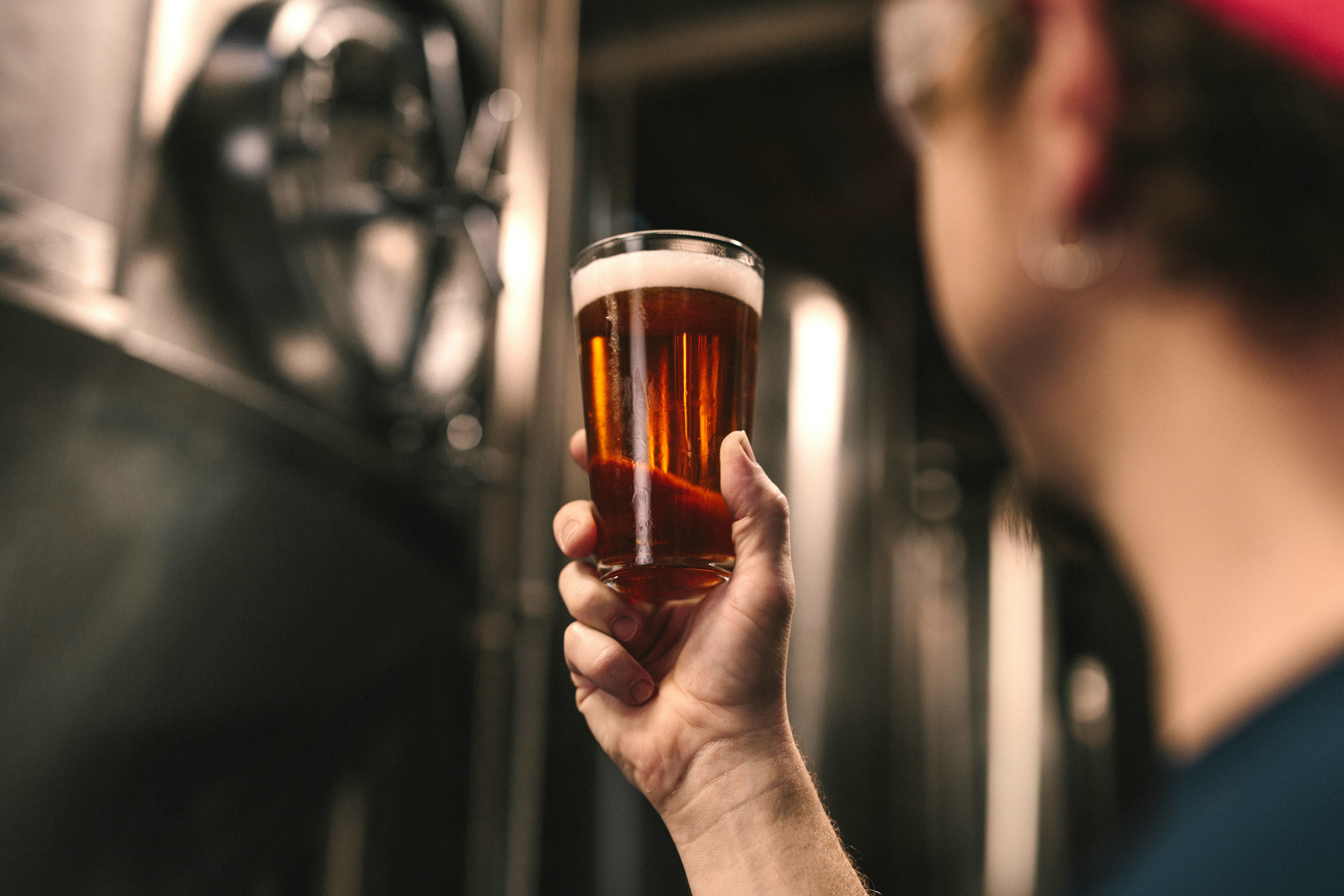
Amber and red ales sit in a good middle ground. Caramel malt gives them enough body to feel substantial, but they're not as heavy as a stout or barleywine. How much hop bitterness you get varies by brewer, from light to fairly assertive, and some of the best-known examples lean toward the malt.
New Belgium, which started in Fort Collins in 1991, built its name on Fat Tire, an amber ale that is mostly about caramel malt with a nudge of hops at the end. It's rarely anyone's favorite beer in the room, but it's almost never anyone's least favorite either.
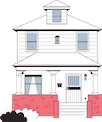
Denver's brick Foursquare homes hit a similar note. The Foursquare, which many Denverites call the Denver Square, is a boxy two-story house with a wide covered porch and large windows. A Denver firm, the Grodavent Brothers, published a brick version of the plan in 1895, and the style stayed popular into the 1930s. You'll find them in City Park, Congress Park, Country Club, Highland, Park Hill South and West Highland, among other older neighborhoods.
These homes weren't built to impress anyone. They were built to last, and a lot of them have. Two stories, room layouts that still make sense today without much reconfiguring, and in many of them the original woodwork, staircases and built-ins are still there because nobody had a strong reason to tear them out.
Foursquares tend to suit buyers who want an established neighborhood and a house with character, without taking on a full restoration. Many have solid bones, but every house is different, so the inspection matters more on a hundred year old home than on a new one. Good for someone who wants warmth and a steady kind of charm.
Worth knowing: Denver has so many brick homes because of a fire. After a major blaze in April 1863, the city required fireproof materials like brick and stone for new buildings, clay was easy to get, and the rule stayed in effect until around 1960. The Denver Assessor reports that about 53 percent of residential properties in the city are brick or brick clad.
Sober curious? Here's the non-alcoholic brew that fits this month's theme: Brooklyn Brewery's Special Effects Amber, now sold as Non-Alcoholic Brooklyn Original. It's a hoppy amber with a toasty malt backbone, grapefruit and fresh hop aromas and a clean bitter edge, at less than 0.5 percent ABV. It's a good one to pour next to a plate of something roasted.
What is a Denver Foursquare? A boxy two-story home with a wide covered porch and large windows, also called a Denver Square. The Grodavent Brothers of Denver published a brick version of the plan in 1895, and the style stayed popular into the 1930s.
Why does Denver have so many brick homes? After a major fire in April 1863, Denver required fireproof materials such as brick and stone, and clay was easy to get. As written in November 2026, the Denver Assessor reports that about 53 percent of residential properties are brick or brick-clad.
Which Denver neighborhoods have Foursquares? They show up in many of the older neighborhoods, including City Park, Congress Park, Country Club, Highland, Park Hill South and West Highland.
What is an amber ale? A moderate strength beer with a caramel malt character. Hop bitterness runs from light to fairly assertive depending on the brewer, and New Belgium Fat Tire is a well known malt forward example from Colorado.
Is there a non-alcoholic amber pick? Yes. Brooklyn Brewery makes a non-alcoholic amber, now sold as Non-Alcoholic Brooklyn Original and formerly called Special Effects Hoppy Amber. It is toasty, with grapefruit hop aromas, a clean bitter edge and less than 0.5 percent ABV.
If you want a house with the same steady, dependable character as a good amber ale, look at the brick.
Brian Trampler is a Denver native and Broker Associate with Corcoran Perry & Co. He holds the Pricing Strategy Advisor (PSA) designation and works with buyers and sellers across the Denver metro and Front Range.

Before real estate, Brian spent over 25 years in IT product management and product marketing. He has coached boys' gymnastics in Park Hill for 20 years and has performed in Colorado theatre for more than 50 years. He brings the same instincts from coaching and performing - connection, timing, and helping people feel confident through the process - to every transaction.










Socials