
NEIGHBORHOOD SPOTLIGHT | FORT LOGAN
What Fort Logan Actually Offers
By Brian Trampler | Corcoran Perry & Co.
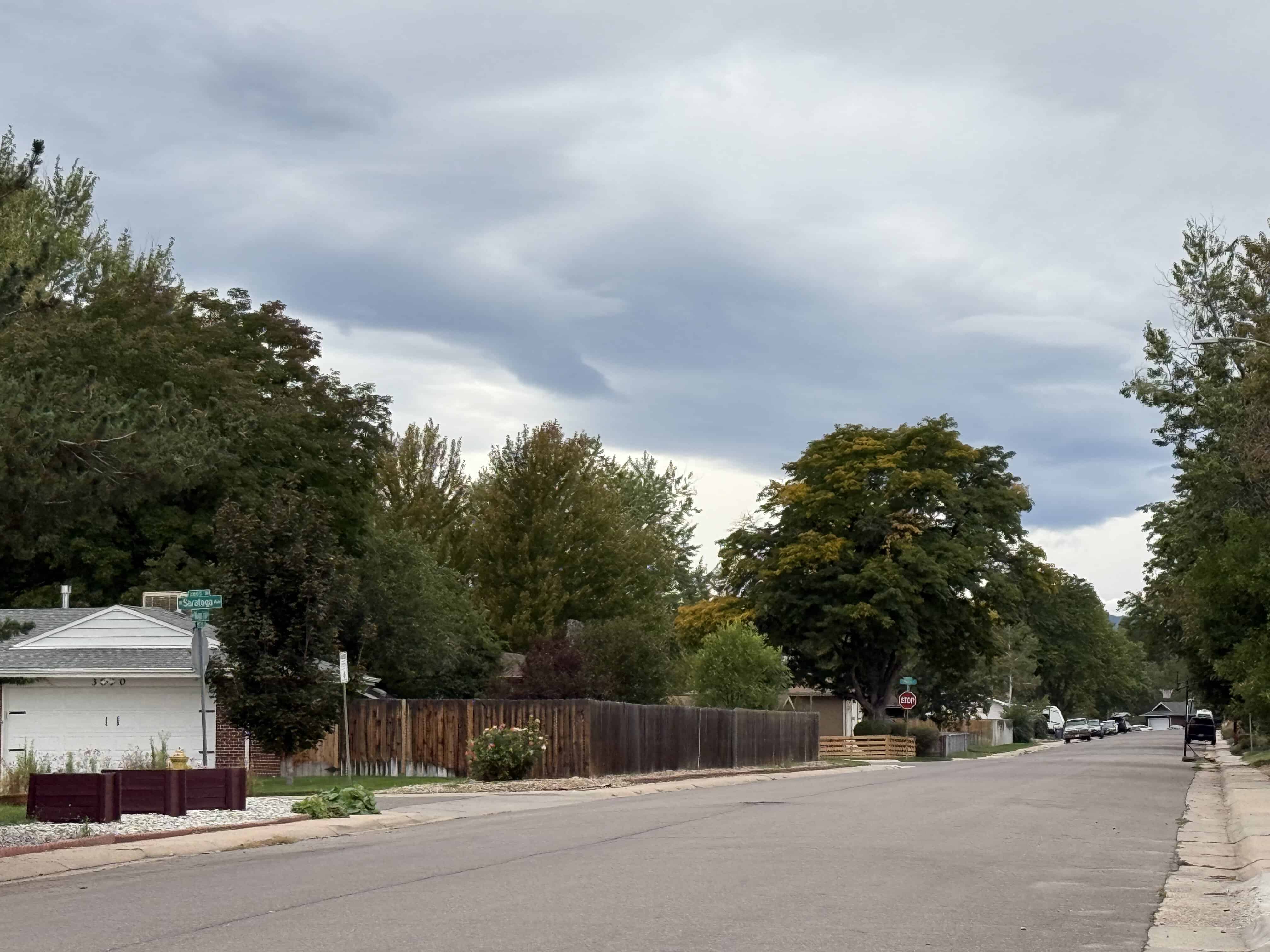
The Snapshot
Median Closed Price: $535,000 as of August 2026, up about 2% from $525,750 back in March.
Median Price Per Square Foot: $249, holding flat over that same stretch.
Days on Market: homes here are averaging 22 days, up from 16 in the spring, but still faster than the Denver metro average of 29.
Months of Supply: 3.2, essentially a balanced market, and down slightly from 3.4 in March.
Inventory: active listings and new listings have both pulled back some this year, a sign sellers who don't have to sell are choosing to wait.
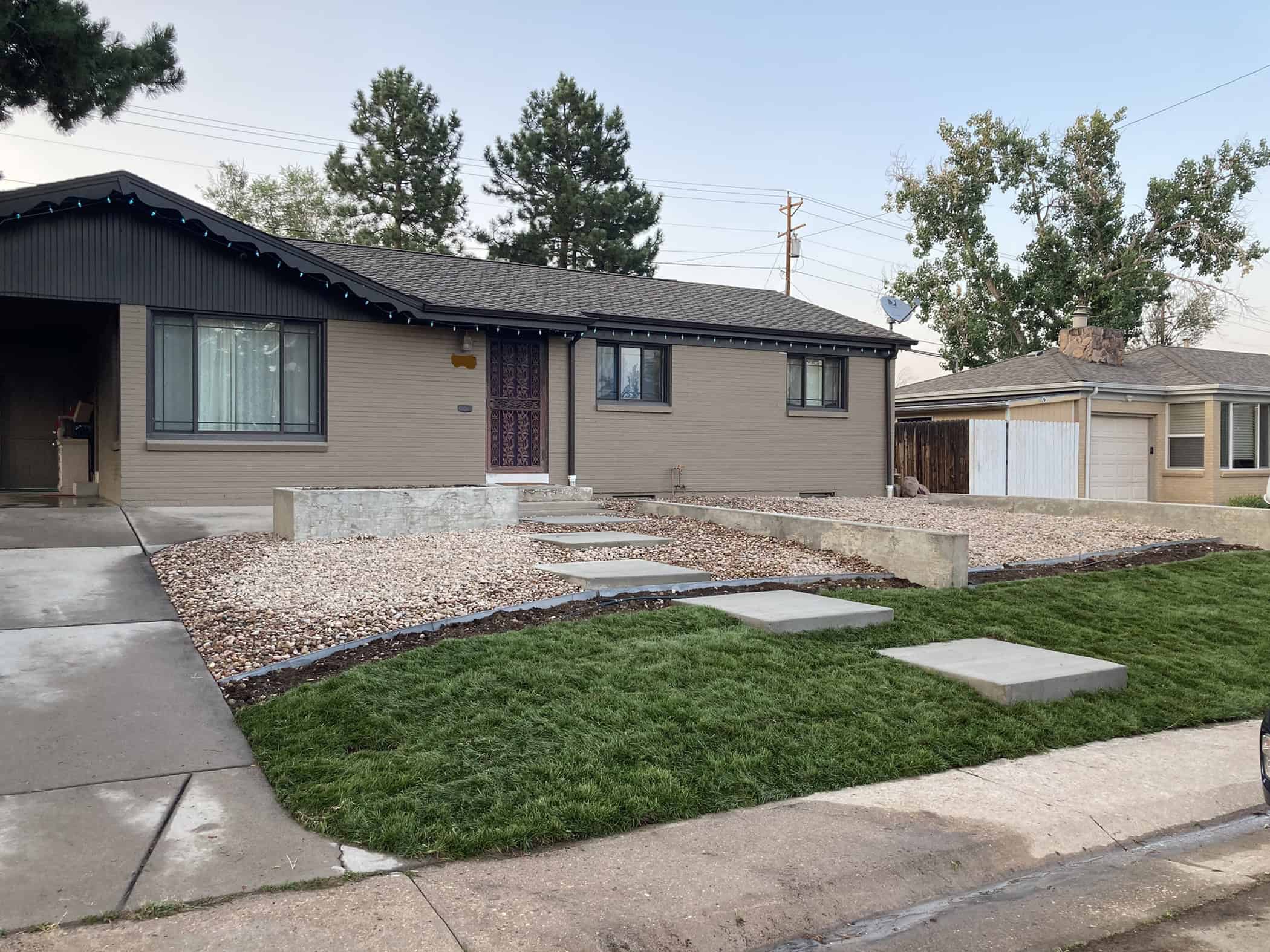
Home Type: mostly single-family, with a heavy concentration of midcentury ranch homes built in the 1950s and 60s.
Location: southwest Denver, bordered by Sheridan, Bow Mar, and the Bear Creek corridor, with easy access to Wadsworth and Santa Fe.
Origin: built around the historic Fort Logan Army post, established in 1887 and named for General John A. Logan.
Put plainly: pricing here has held steady and even ticked up a little, even as the pace has slowed some. That's a healthier story than a big swing in either direction, and it's the one the data actually backs up.
Why I'm Writing About This One
I live in this part of southwest Denver, in a midcentury ranch a few blocks from where Fort Logan meets Centennial Estates. So this isn't a neighborhood I researched for a blog post. It's the one I walk every day.
Fort Logan doesn't get talked about much in the usual Denver neighborhood roundups. It's not flashy. But it's one of the more interesting pockets of the city if you care about the actual bones of a house and not just the finishes.
Many of the homes in my particular stretch of Centennial Estates are turning over right now. Maybe people are downsizing, maybe families are looking for their next move up, but there's a constant market for homes in this area. 1950s ranches, a couple of 1980s and 1990s sections mixed in, even some scrapes and new builds, plus condos and townhomes. Whatever you're looking for, you can probably find it here. It's also right where Denver, Sheridan, Englewood, and Littleton come together, with Bow Mar thrown into the mix, so you've got several different neighborhoods within walking distance of each other.

If You're Buying
The single-family stock here is real, and there's more of it in reach than in a lot of comparable Denver neighborhoods right now. Ranch floor plans dominate, which means main-floor living, attached garages more often than not, and lots that tend to run bigger than what you'll find closer to the city center.
A median price in the mid $500s puts a lot of these homes within reach of buyers who've been priced out of the trendier northwest and central Denver neighborhoods. That doesn't mean it's cheap. It means the math works better here than it does a few miles north.
Homes are taking a bit longer to sell than they were in the spring, 22 days now versus 16 back in March. That's not a Fort Logan problem specifically. It tracks with what's happening across the metro, where everyday costs are making buyers more deliberate before they write an offer. It just means you don't have to rush a decision the way you might have a year ago.
If you're searching by budget, the honest approach is to set your number first and then look at what that actually buys block by block, because Fort Logan isn't uniform. Prices shift some from block to block. Pockets closer to Bow Mar tend to carry a premium, while others price more modestly. A search filtered only by neighborhood name will miss that distinction. An agent who knows the blocks won't.
The question worth asking yourself: Am I looking at the neighborhood name, or at the specific streets that actually fit what I need?
If You're Selling, or Trading Up
Homes here are still moving faster than the Denver metro average, but the pace has slowed some this year, 22 days on market now versus 16 back in the spring. That's not a warning sign. It matches what's happening across the metro as buyers take a little longer to commit, and it hasn't put a dent in pricing.
What's worth noticing is how other Fort Logan sellers are responding. New listings and active inventory have both pulled back this year, not because demand dried up, but because sellers who don't have to sell are choosing to wait rather than compete for a smaller pool of serious buyers. Pricing hasn't suffered for it: median closed price and price per square foot have both held steady or ticked up.
Midcentury ranch homes sell well when they lean into what they are instead of trying to look like something newer. Clean lines, original character, a well kept yard. Overcorrecting with trends that fight the bones of the house usually costs more than it returns.
If you're trading up from Fort Logan into a bigger or different home elsewhere in the metro, the timing question is the same one everyone's asking right now: can you afford to carry two mortgages for a stretch, or does the sale need to happen first. That answer is personal, not a market condition, and it's worth working through before you list.
The question worth asking yourself: Is my next move about the house I'm in, or about what I actually need my life to look like next?
The Local Angle
Fort Logan started as an Army post in 1887, named for General John A. Logan. Part of that original ground is now Fort Logan National Cemetery, and part became the Colorado Mental Health Institute campus. Both are still there, and both shape how the neighborhood feels: quiet, a little removed from the noise of central Denver, with more open space around it than you'd expect this close to the city.
The housing itself came later, mostly in the postwar decades, which is why the ranch homes here have the low rooflines and simple, honest layouts I like walking past. I make a point of walking the Bow Mar loop regularly, and the contrast between that lake neighborhood and the more modest ranch blocks in Fort Logan proper is part of what makes this stretch of southwest Denver interesting to me.
On property taxes, the question I get most is whether Fort Logan runs higher or lower than other Denver neighborhoods. Fort Logan is built out, mostly 1950s and 60s construction, so it doesn't carry the extra metro district assessments you'll find in a lot of newer developments around the metro. Here, your bill mostly comes down to assessed value under the same citywide Denver mill levy everyone else pays. If you want a real number for a specific home, the Denver Assessor's property search by address will give you the current tax bill, and I'm glad to help pull that for any address you're looking at.
Quick Answers
Quick Answers (heading and text to paste)
What are home prices in Fort Logan? As of August 2026, the median closed price in Fort Logan was $535,000, up about 2 percent from $525,750 in March. The median price per square foot was $249, flat over that stretch.
How fast do homes sell in Fort Logan? Homes averaged 22 days on market, up from 16 in the spring and still faster than the Denver metro average of 29. Months of supply was 3.2, which is essentially a balanced market.
What kinds of homes are in Fort Logan? Mostly single-family, with a heavy concentration of midcentury ranch homes built in the 1950s and 1960s, plus some newer sections, new builds, condos and townhomes. Lots tend to run bigger than closer to the city center.
Where is Fort Logan and where does the name come from? Fort Logan is in southwest Denver, bordered by Sheridan, Bow Mar and the Bear Creek corridor, with access to Wadsworth and Santa Fe. It grew up around the Fort Logan Army post, established in 1887 and named for General John A. Logan.
Are property taxes higher in Fort Logan? Fort Logan is built out, mostly 1950s and 1960s construction, so it does not carry the extra metro district assessments found in many newer developments. Your bill mostly depends on assessed value under the same Denver mill levy. The Denver Assessor property search by address shows the current tax bill.
Where This Leaves Things
Fort Logan isn't a neighborhood that sells itself with a headline. It's one you have to actually walk to understand, which is probably why it doesn't show up in the usual lists. That's fine by me. Some of the best decisions in this business come from knowing the blocks other people haven't bothered to learn.
Brian Trampler is a Denver native and Broker Associate with Corcoran Perry & Co. He holds the Pricing Strategy Advisor (PSA) designation and helps buyers and sellers work through real decisions across the Denver metro and Front Range.

A Straight Conversation. No Agenda.
Every situation is different, and a blog post can only get you so far. If you're weighing a move into or out of Fort Logan, or just want to understand what a specific address would actually cost or sell for, I'd rather talk it through than have you guess from averages.
Have a question about your own situation? Send Brian a message, call 303.638.1633, or email btrampler@corcoranperry.com.
#PerformYourMove









Socials