
Why the Highest Number Isn't the Best Price
Brian Trampler, Corcoran Perry & Co.
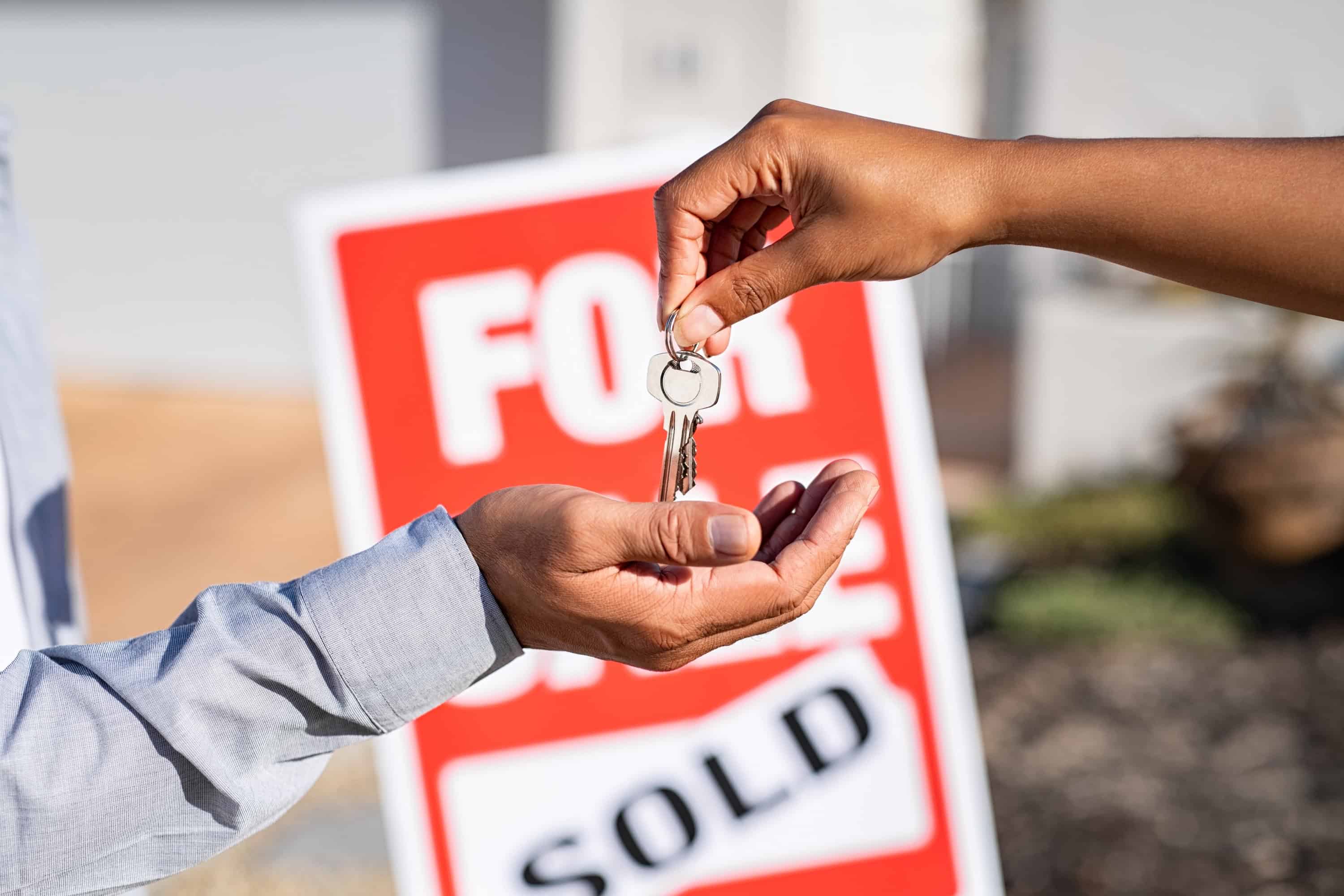
Every seller I sit down with wants the same thing: the most money for their home. That's not naive; that's just correct. Where things go sideways is in the assumption that the way to get there is by starting high.
I get it. It feels like leaving money on the table if you price conservatively. But pricing a home is a lot like calling a play — you're not just picking a number, you're setting the terms for how the next 30, 60, or 90 days are going to go. And an overpriced home doesn't sit quietly waiting for the “right buyer” to come along and validate the number. It sends a signal, immediately, to everyone watching.
Here's what actually happens when a home is priced too high
The first two weeks on the market are the most important two weeks you'll get. That's when your listing is new, it's flagged in every buyer's saved search, and agents are actively bringing clients through. This is your peak visibility window — full stop, it does not come back.
If the price is inflated, here's what serious buyers do: nothing. They see it, they compare it to the three similar homes priced correctly, and they wait. Some watch for a price drop. Some just move on. Either way, you've spent your best two weeks convincing the market to ignore you.
Then the price cut comes. And a price cut isn't neutral — buyers read it as information. “What's wrong with it?” “Why isn't anyone biting?” You're now negotiating from behind, on a home that's lost its new-listing shine, against buyers who assume there's a reason nobody else wanted it. In my experience, that dynamic costs sellers more than pricing right from day one ever would have.
So how do you actually land on the right number?
It's not a formula you can plug your square footage into and trust blindly. It's a combination of:
- What's actually sold recently — not listed, sold. Asking price tells you what a seller hoped for. Closed price tells you what a buyer agreed to pay.
- What's competing with you right now — if there are two other homes in your price range and style currently on the market, buyers are cross-shopping all three. Your price has to hold up next to theirs, not in a vacuum.
- What's specific to your home — the updates you've made, the condition, the lot, the light in the kitchen at 5pm. Comps get you in the neighborhood of the right number. The specifics of your home are what fine-tune it.
- Where the market's moving, not where it's been — is inventory rising or falling right now? Are homes taking longer to go under contract than they were two months ago? Pricing off three-month-old data in a shifting market is like driving using only your rearview mirror.
The part I'd want you to sit with
You can't control how many buyers walk through your door, what interest rates do next month, or what your neighbor decides to list their house for. What you can control is how you respond to the situation you're actually in — and pricing is the biggest lever you have. A home priced right, from the start, creates urgency. A home priced high creates skepticism. Those are two very different negotiations, and you only get to pick one of them.
If you're thinking about listing and want a straight answer on where your home actually stands in today's market — not a number designed to win your listing, an honest one — I'm always glad to walk through it with you.
#PerformYourMove with me!
Brian Trampler is a Broker Associate with Corcoran Perry & Co., serving Denver and the greater Front Range.

If you're thinking about listing and want a straight answer on where your home actually stands in today's market — not a number designed to win your listing, an honest one — I'm always glad to walk through it with you.
You don't have to have it all figured out before we talk. Send me a message, and we'll start working through it together, one step at a time.










Socials