
Denver's in a Drought.
Here's What Every Homeowner Needs to Know.
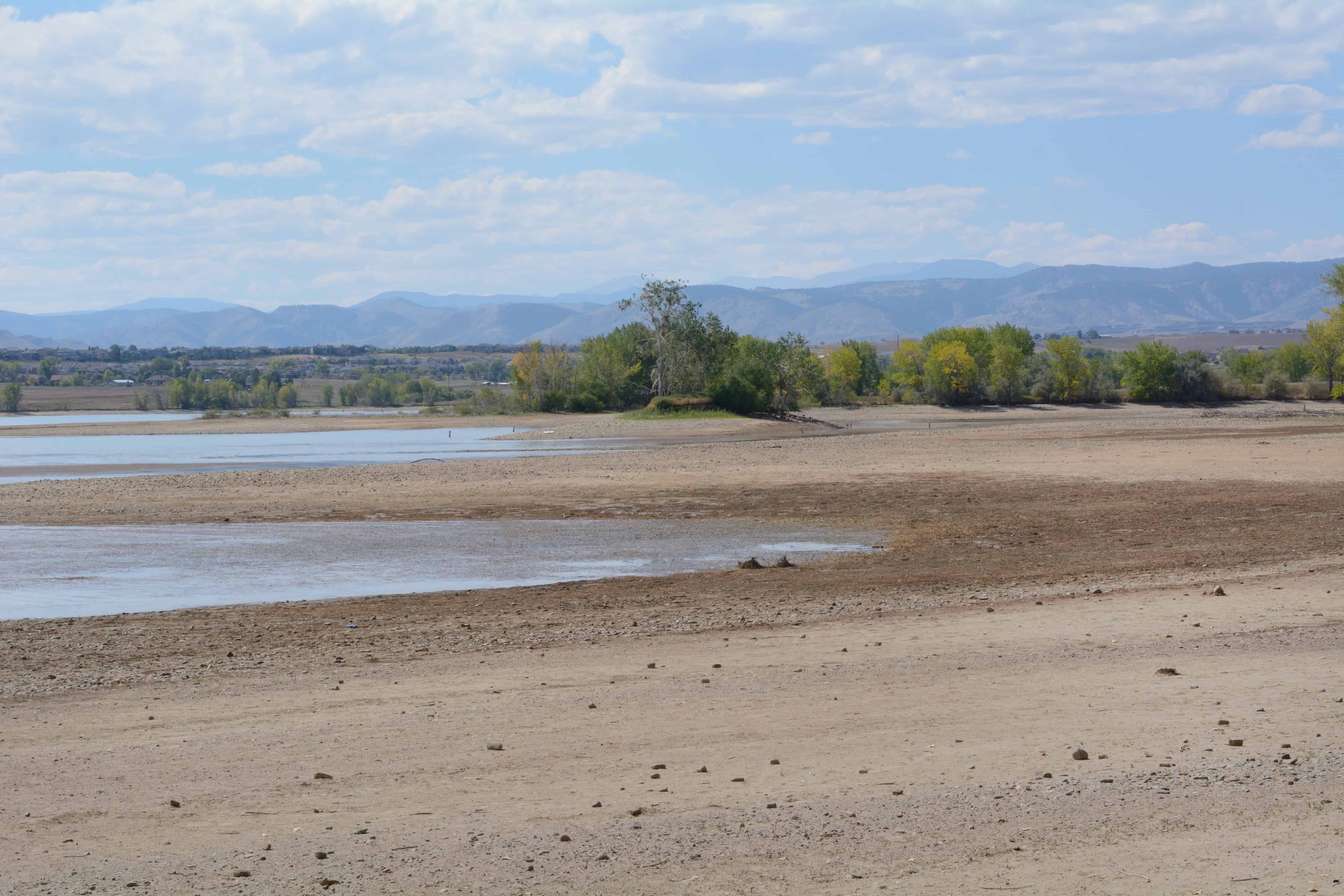
I've lived in Denver my whole life. Grew up in West Highland, raised my family here, and have watched this city grow through dry summers, water warnings, and the occasional genuine crisis. What's happening right now is different. This isn't a dry spell. This is the worst snowpack Colorado has ever recorded — and it's going to affect your yard, your water bill, and potentially your home's value through the summer and into next year.
On March 25, 2026, the Denver Board of Water Commissioners voted unanimously to declare a Stage 1 drought. The restrictions are effective through April 30, 2027 — this isn't a short-term inconvenience. Denver Water serves 1.5 million people across Denver and surrounding suburbs including Littleton, Lakewood, Arvada, Edgewater, Glendale, Wheat Ridge, and Greenwood Village. And Denver isn't alone. Thornton, Aurora, Erie, Arvada, South Adams County, Westminster, Highlands Ranch, Castle Rock, and Parker have all either enacted restrictions or are moving toward them. If you live anywhere in the Denver metro, your utility is either already restricting water use or about to be.
How bad is it, really?
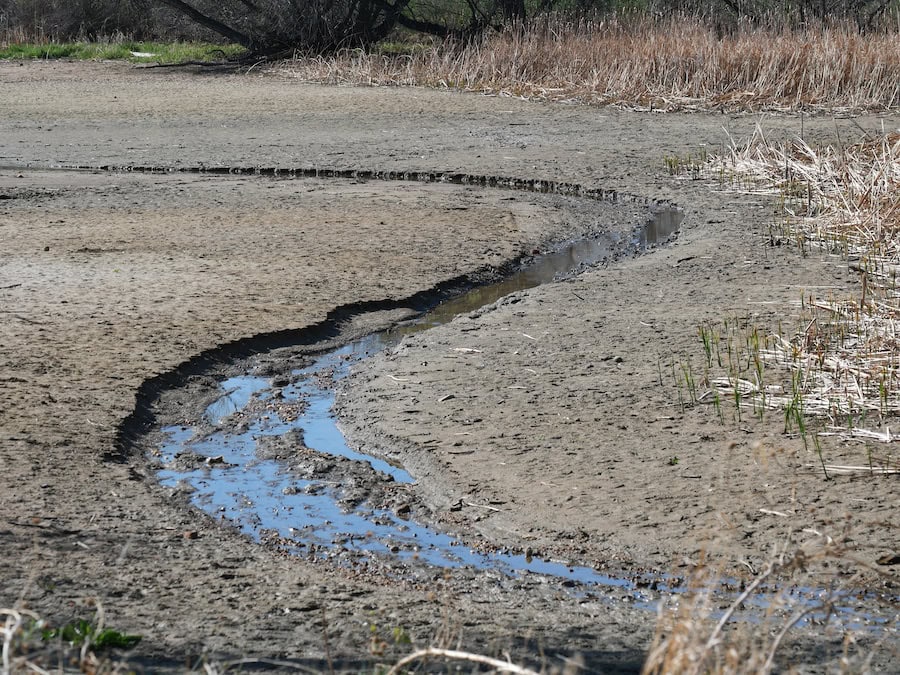
Pretty bad. Denver Water depends on mountain snowpack for its water supply, and this winter was unusually warm and did not deliver what the city needs. The snowpack in the Colorado River Basin is at 55% of normal — the worst on record. The South Platte River Basin is at 42% of normal, also the worst on record.
To put it plainly: Denver Water is 7 to 8 feet of snow short of where it needs to be. It would take the snowiest April in recorded Colorado history — by a wide margin — to recover. That's not going to happen.
Denver Water's own projections show that without at least Stage 1 restrictions, reservoir storage could drop to 57% of capacity by 2027. Right now the reservoirs are at 80%, against a normal level of 85% for this time of year. That gap matters more than it sounds. The goal of Stage 1 is to close it before it gets worse.
This is only the fifth time Denver Water has declared a Stage 1 drought since 2000, and the first since 2013. The speed at which surrounding communities have followed suit tells you everything about how seriously water managers are taking this.
Who's under restrictions right now?
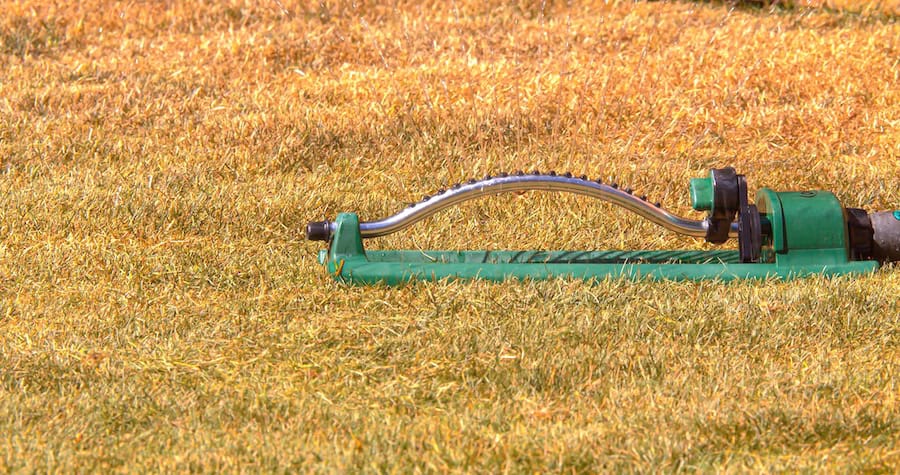
Restrictions vary by utility, so your rules depend on who sends your water bill — not just what county you live in. Here's where things stand as of early April 2026:
Mandatory restrictions in effect:
Denver Water (Denver and portions of Adams, Arapahoe, and Jefferson counties) — Stage 1, effective March 25. Two days per week watering on an assigned schedule, no watering between 10 a.m. and 6 p.m.
Thornton — Stage 1, effective March 15 — the first metro utility to act. Residents are asked to hold off on sprinklers until May and avoid installing new sod or grass seed this season.
Aurora — Stage 1 restrictions took effect April 7, with a mandatory two-day-per-week watering schedule.
Erie — Stage 4 Water Supply Shortage Emergency, the most severe designation in the metro. Erie moved earlier and harder than most.
South Adams County Water (a Denver Water distributor) — pushed its outdoor watering season start date back from April 13 to May 4.
Arvada — has declared a drought and is asking residents to follow Denver Water's schedule now. Mandatory restrictions are coming once formally enacted.
Drought watch or voluntary reductions:
Westminster — drought watch goes into effect April 15, asking residents to voluntarily water no more than three days a week, only before 10 a.m. or after 6 p.m.
Highlands Ranch — drought watch since March 1. Once irrigation season opens, outdoor watering is limited to three days per week.
Castle Rock — requesting voluntary 10% reductions and considering entering its first formal drought stage.
Parker and Douglas County utilities — recommending sprinkler activation be delayed until mid-May and urging leak checks before the season starts.
Boulder — conducting its annual water supply evaluation May 1. Currently not expected to trigger formal restrictions, but conservation messaging is being prepared.
If your utility isn't listed here, check directly — this landscape is changing week to week.
If you're on city water: what the rules actually mean
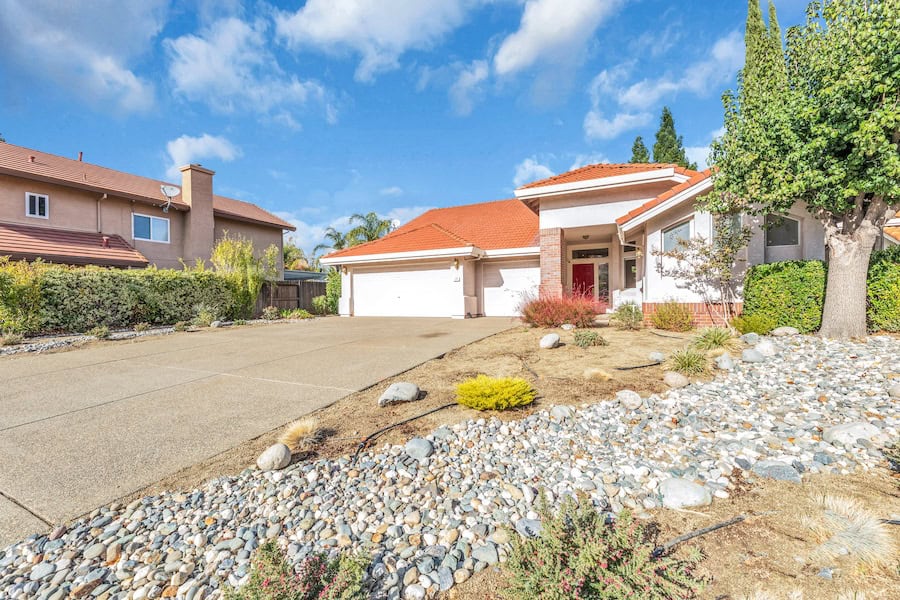
The restrictions are mandatory, not suggested. Here's the short version for Denver Water customers — check your own utility for specifics if you're in a surrounding community:
Watering days: Residential addresses ending in even numbers may water on Sundays and Thursdays. Odd-numbered addresses water on Wednesdays and Saturdays. Multifamily housing, commercial properties, HOAs, and government buildings may only water on Tuesdays and Fridays.
No watering between 10 a.m. and 6 p.m. — on any day, for any reason. Drip irrigation and hand watering are allowed for trees, shrubs, perennials, annuals, and vegetables, but also not during those midday hours.
Hold off on your sprinklers entirely until mid- to late-May. Denver Water is asking customers not to activate automatic irrigation systems at all until then — even with the dry weather. The goal is to preserve reservoir levels as long as possible before the outdoor watering season kicks in.
Repair leaking sprinkler systems within 10 days of noticing a problem. That's not a suggestion — it's part of the mandatory restrictions.
On fines: Enforcement plans and outdoor watering surcharges for high-volume use are being finalized. The pricing increase applies to outdoor water use only — indoor water costs for drinking, cooking, and bathing stay the same.
If you're on a well: you're not off the hook
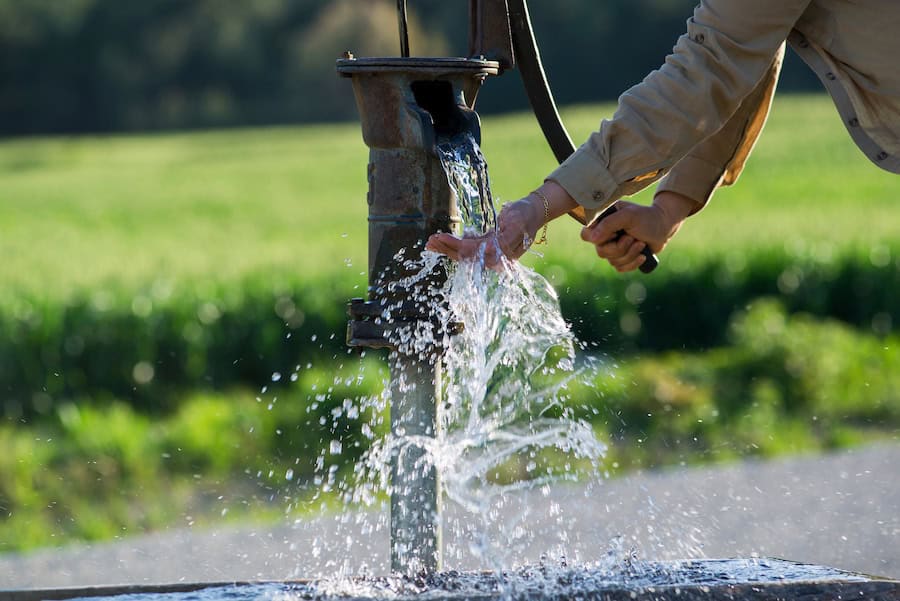
Private well owners aren't subject to Denver Water's schedule, but Colorado water law still applies — and the drought affects you differently, sometimes more directly.
Your well draws from groundwater aquifers or tributary streams, depending on where you live and what type of well you have. During drought conditions, aquifer levels drop and stream-connected wells can face curtailment under Colorado's prior appropriation system — "first in time, first in right." That means senior water rights holders get protected first, and junior rights holders can be cut off.
Check with the Colorado Division of Water Resources (dwr.colorado.gov) for any curtailment orders or restrictions in your specific county. Several mountain communities and rural areas surrounding the metro are already under tighter restrictions than Denver proper.
The practical advice is the same regardless of your water source: conserve now, before you're forced to.
Five things worth doing right now
Whether you're on city water or a well, these five steps apply:
1. Don't turn on your irrigation system yet. I know the yard looks rough. Hold off anyway. Every week you wait is water preserved for July and August, when you'll actually need it.
2. Water your trees before your grass. This is the one most people get backwards. Grass is resilient — it goes dormant and comes back. A mature shade tree that dies takes 30 years to replace, and it takes a meaningful chunk of your home's curb appeal and value with it. Hand-water your trees and large shrubs as needed.
3. Mulch everything you can. Mulch on top of soil retains moisture between watering days — a simple step that reduces how much water your landscape actually needs. A few bags from any hardware store will stretch your two allowed days significantly further.
4. Check your system for leaks before you turn it on. A single broken sprinkler head can waste hundreds of gallons on a single watering day. That's a fine waiting to happen, and water you won't get back.
5. Consider drought-tolerant plants for any new landscaping. Native and xeric plants thrive in Colorado's climate without the water demand. Denver Water offers rebates for turf removal — worth looking into.
What does this mean for your home?
As a homeowner and a REALTOR, I think about drought conditions through two lenses: the practical and the market.
On the practical side, landscape condition matters for appraisals and buyer perception. A well-maintained, thoughtfully xeriscape-adapted yard signals a prepared homeowner. A dead lawn signals deferred maintenance — even if it was the drought's fault.
On the market side, water availability and restrictions are increasingly part of buyer conversations in Colorado, especially for properties outside the city core. If you're thinking about selling, buying, or investing anywhere in the Denver metro this year, water access and infrastructure deserve a place in your due diligence. That's especially true for properties on wells or in areas with older irrigation systems.
I'm not raising alarm bells. I'm just saying: water is part of the value equation now in ways it wasn't ten years ago, and the smart move is to understand it.
The bottom line
Denver has been through droughts before. We'll get through this one. But the conditions this year are genuinely serious — not a media story, not an overreaction. The goal is a 20% reduction in water use across the service area, with an eye toward preserving reservoir storage going into 2027 and maintaining the health and economic vitality of the community. Do your part this summer. It adds up.

If you have questions about how drought conditions might affect a real estate decision — buying, selling, or just understanding your property better
Send me a message
I'm easy to reach. No pressure, no pitch. Just a Denver native who's been paying attention to this city for a long time
Brian Trampler Broker Associate | Corcoran Perry & Co. (303) 638-1633 | btrampler@corcoranperry.com | BrianTrampler.com










Socials